

How Often Should You Bathe Your Dog? A Guide by Coat Type
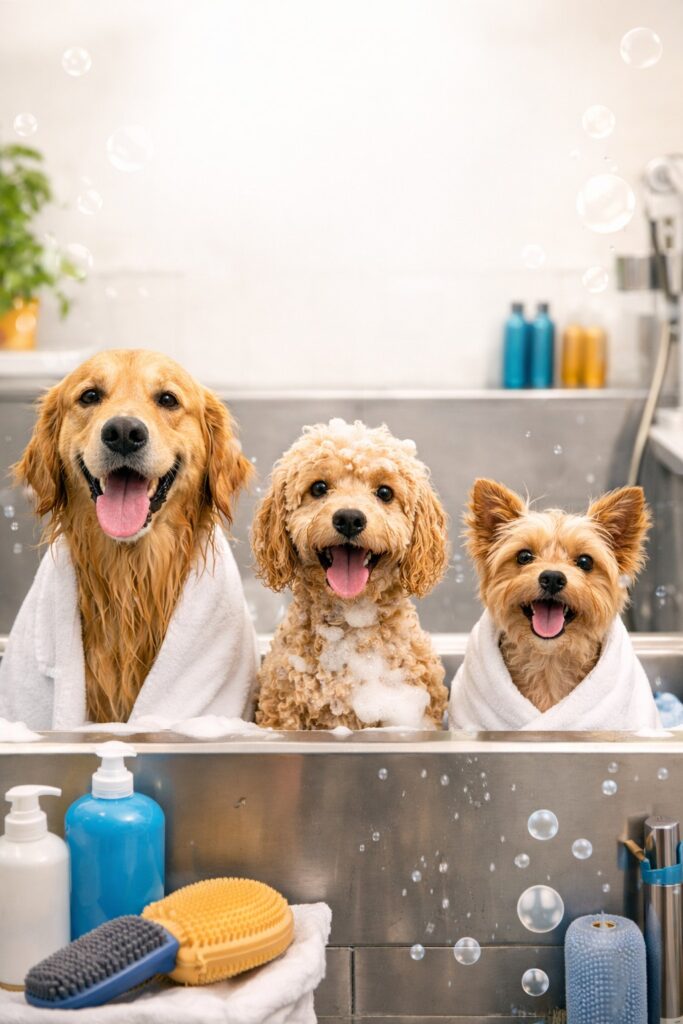
Bathing is an important part of keeping a dog’s coat clean, fresh, and comfortable. Regular baths help remove dirt, environmental debris, loose hair, and seasonal pollen that naturally collect in a dog’s fur during everyday activities. This is a guide on how often you should bathe your dog!
While every dog is unique, the ideal dog bathing schedule usually depends on the dog’s coat type, lifestyle, and environmental factors such as pollen levels.
Below is a helpful guide to understanding how often dogs should be bathed, along with signs that it may be time for a bath.
Signs Your Dog May Be Ready for a Bath
Dogs explore the world with enthusiasm, and their coats can collect debris along the way. A bath helps refresh the coat and restore its natural softness.
Some common signs that bath time may be beneficial include:
- Visible dirt or dust in the coat
- The coat feeling slightly oily or heavy
- Extra outdoor activity or playtime
- Seasonal pollen collecting in the fur
- The coat appearing less fluffy or vibrant than usual
Bathing helps remove buildup and allows the coat to feel light, clean, and comfortable again.
Dog Bathing Frequency by Coat Type
Different coat types hold oils, dirt, and debris differently. Because of this, some breeds benefit from bathing more frequently than others.
Short Coats
Dogs with short coats typically require less frequent bathing because their fur does not trap debris as easily.
Recommended Bathing Frequency: Every 4–8 weeks
Examples of Short-Coated Breeds
- Beagle
- Boxer
- Doberman Pinscher

Short-coated dogs often stay relatively clean with routine brushing and occasional baths.
Double Coats
Double-coated breeds have a dense insulating undercoat beneath a protective outer coat. These coats benefit from periodic bathing combined with thorough brushing to remove loose undercoat.
Recommended Bathing Frequency: Every 4–6 weeks
Examples of Double-Coated Breeds
- Golden Retriever
- Siberian Husky
- German Shepherd
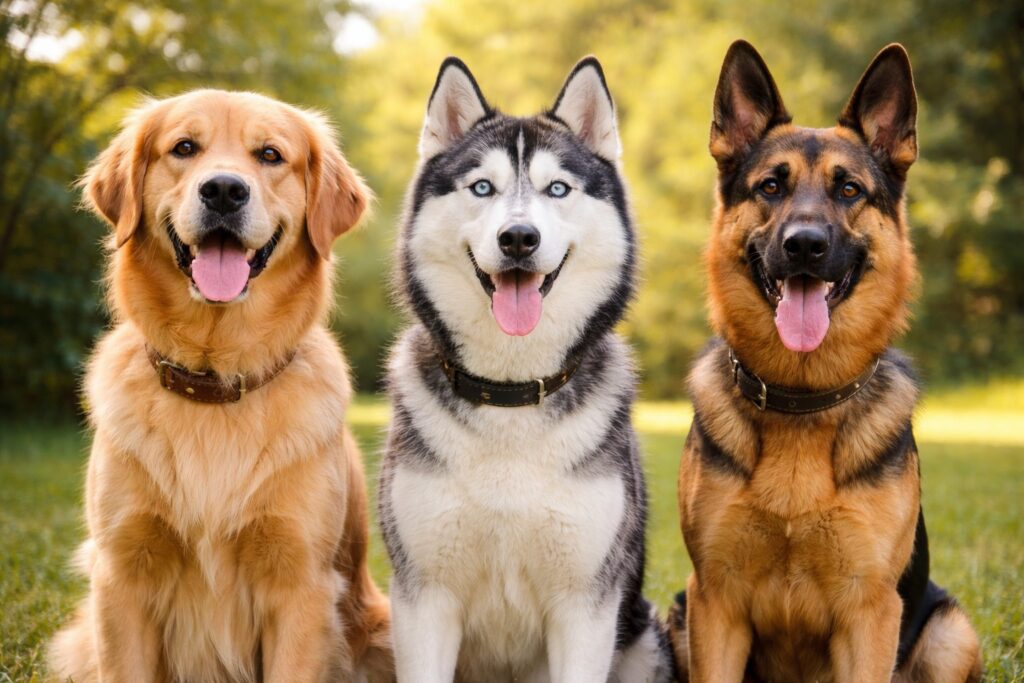
Bathing helps lift loose hair and refresh the coat while maintaining its natural structure.
Curly or Continuously Growing Coats
Dogs with curly or continuously growing coats benefit from more frequent bathing to keep their coats soft and manageable.
Recommended Bathing Frequency: Every 3–4 weeks
Examples of Curly-Coated Breeds
- Poodle
- Goldendoodle
- Bichon Frise
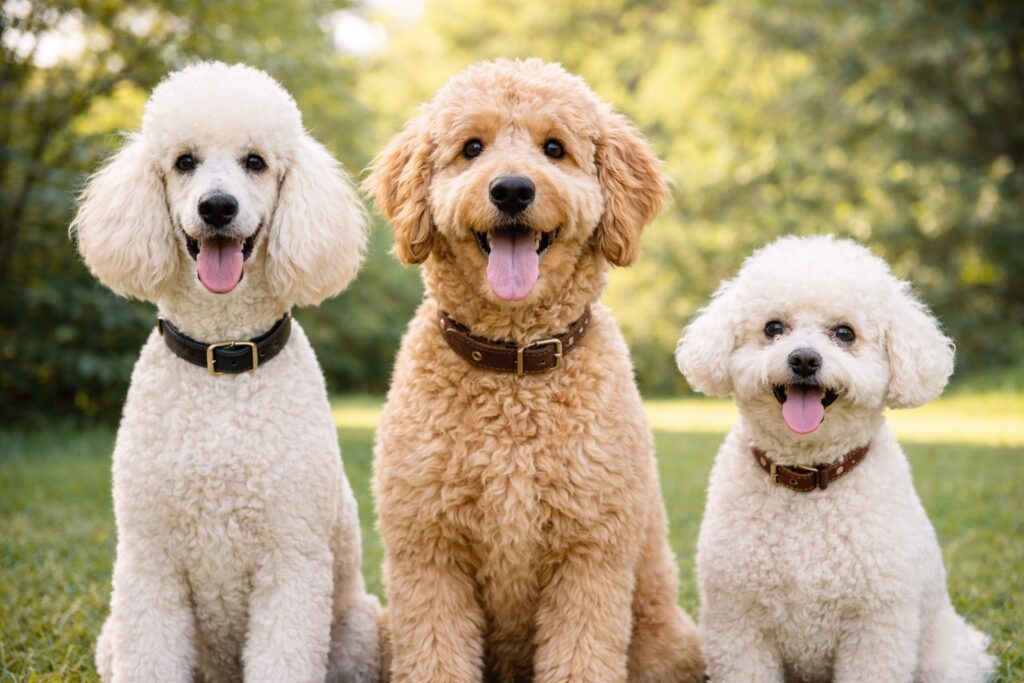
Regular baths help maintain the texture of the coat and make brushing easier between grooming visits.
Silky or Long Coats
Long silky coats benefit from consistent bathing to keep the fur smooth and flowing.
Recommended Bathing Frequency: Every 3–4 weeks
Examples of Silky-Coated Breeds
- Yorkshire Terrier
- Maltese
- Shih Tzu
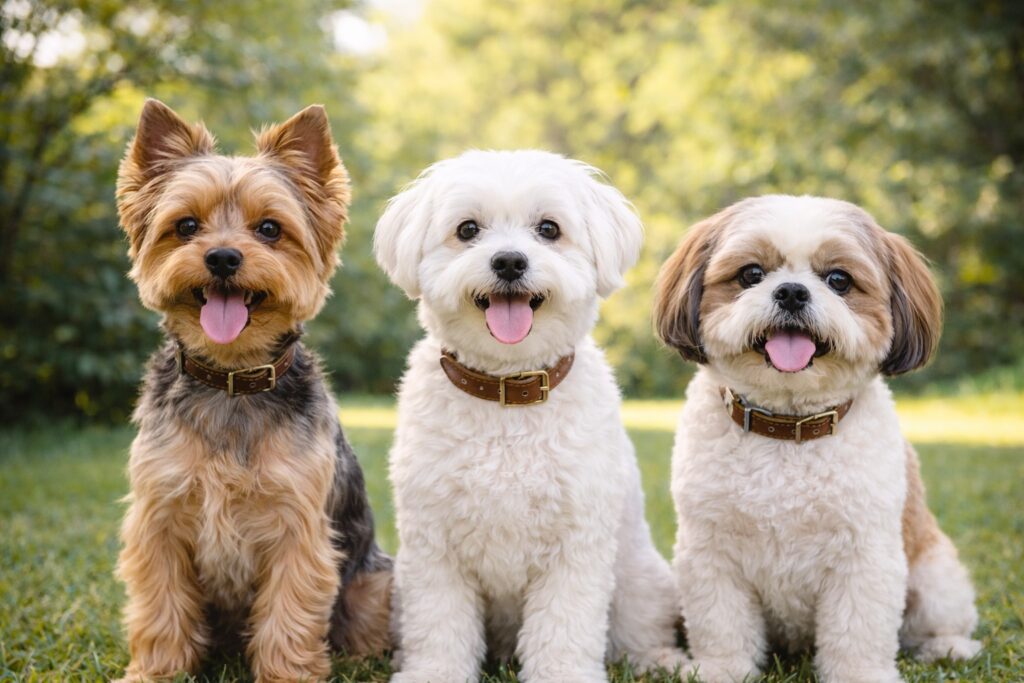
Routine baths help maintain the coat’s natural shine and softness.
Bathing More Often During Pollen Season
During certain times of the year, outdoor environments contain higher levels of pollen. Dogs that spend time outside may collect pollen in their fur, especially around the legs, belly, and chest.
Increasing bathing frequency slightly during these seasons can help rinse pollen from the coat and keep the skin feeling comfortable.
Medicated shampoos can also be beneficial during seasonal changes.
At Dog Crafters, we often use a chlorhexidine-based shampoo during high pollen seasons. Chlorhexidine shampoos are commonly used in grooming to help cleanse the skin and remove environmental buildup such as pollen and debris from the coat.
This can be particularly helpful for dogs that enjoy plenty of outdoor adventures.
Properly Drying and Brushing Your Dog After a Bath
Drying and brushing are important steps after a bath to help the coat settle properly.
After bathing your dog:
- Use a clean towel to remove excess water from the coat.
- Allow the coat to dry before brushing. For long hair dogs, this will mean blow drying the hair as you don’t want to let the hair air dry slowly.
- Gently brush through the coat to separate the hair and restore its natural fluff.
Brushing after a bath helps distribute the coat evenly and keeps it looking neat and healthy. For longer or curly coats, brushing during the drying process can also help keep the coat smooth and manageable.
Tools That Make Bathing a Dog Easier
Bathing at home can be simple with the right equipment.
Standing Dog Bath Tub
A standing dog bath tub is especially helpful for small to medium-sized dogs. These tubs bring your dog up to a comfortable working height, making bathing easier and keeping water contained in one place.
This can make bath time more comfortable for both the dog and the owner as you will be far less bent over using a standing tub than you would be without one.
Here is an example of a standing tub that be placed in your shower or bath tub
High-Pressure Shower Head Attachment
A pet shower head attachment provides stronger water pressure than many standard shower heads. This makes it easier to rinse shampoo out of thicker coats and helps water reach through dense fur.
This can make bathing faster and more efficient, especially for dogs with thick coats.
Here are some examples of shower head attachements that can be used.
Professional Dog Bathing at Dog Crafters
While many pet owners enjoy bathing their dogs at home, sometimes schedules get busy or a dog simply prefers a professional grooming environment.
At Dog Crafters, in St. Petersburg, FL, we offer professional bathing services designed to keep coats clean, refreshed, and comfortable. Our grooming setup allows us to thoroughly cleanse the coat while using professional grooming products suited for each dog’s needs.
Whether your dog needs a routine bath, extra care during pollen season, or just a refreshing coat reset, we’re always happy to help.
If bathing at home isn’t convenient, Dog Crafters is here to help keep your dog looking and feeling their best.
Contact Dog Crafters Today with questions or visit our website to book an appointment: 📍 3330 Dr M.L.K. Jr St N, St. Petersburg FL 33704 📞 (727) 440-7830 🌐 dogcrafters.com