

Dog De-Shedding: What It Is and Why It Matters
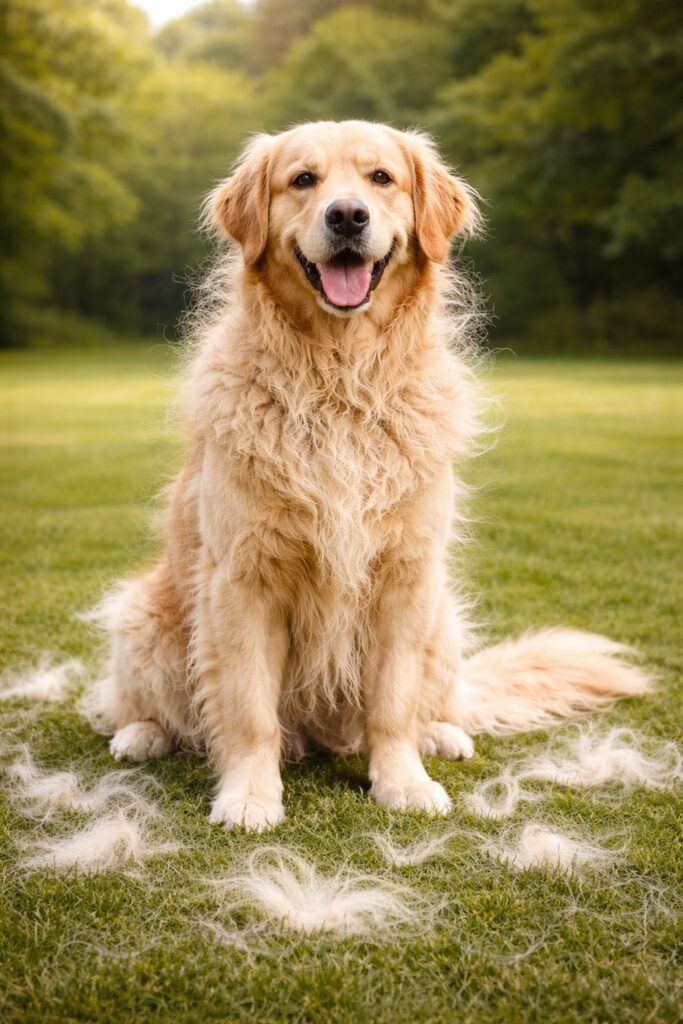
Shedding is a natural part of a dog’s coat cycle. Many breeds release old undercoat hair to make room for new coat growth regularly. De-shedding for your dog is the process of safely removing its loose undercoat before it falls throughout your home.
Regular de-shedding helps:
- Maintain a healthy coat
- Reduce loose hair in your home
- Allow air to circulate through the coat
- Keep your dog comfortable
For dogs with thick coats, regular de-shedding can make a significant difference in both coat health and overall cleanliness.
For pet owners in the St Petersburg, FL area, we here at Dog Crafters provide specialized de-shedding treatments designed specifically for each coat type.
Coat Types That Need De-Shedding
Not every dog requires de-shedding. Dogs with undercoats benefit the most from this grooming process.
Double-Coated Dogs
Double-coated breeds have two layers:
- A soft insulating undercoat
- A protective outer coat
These breeds shed their undercoat regularly and often experience heavier seasonal shedding.
Examples include:
- Golden Retriever
- Siberian Husky
- German Shepherd
- Labrador Retriever

Their coats can release large amounts of loose hair if not properly maintained.
Recommended Frequency:
Every 4–6 weeks for maintenance
Every 2–3 weeks during heavy shedding seasons
Double-coated dogs “blow their coat” during seasonal transitions (typically spring and fall). During these times, more frequent de-shedding is extremely helpful in managing the large volume of loose undercoat.
Short Dense Coats
Some short-haired dogs still have thick undercoats that shed regularly.
Examples include:
- Beagle
- Pug
- Rottweiler
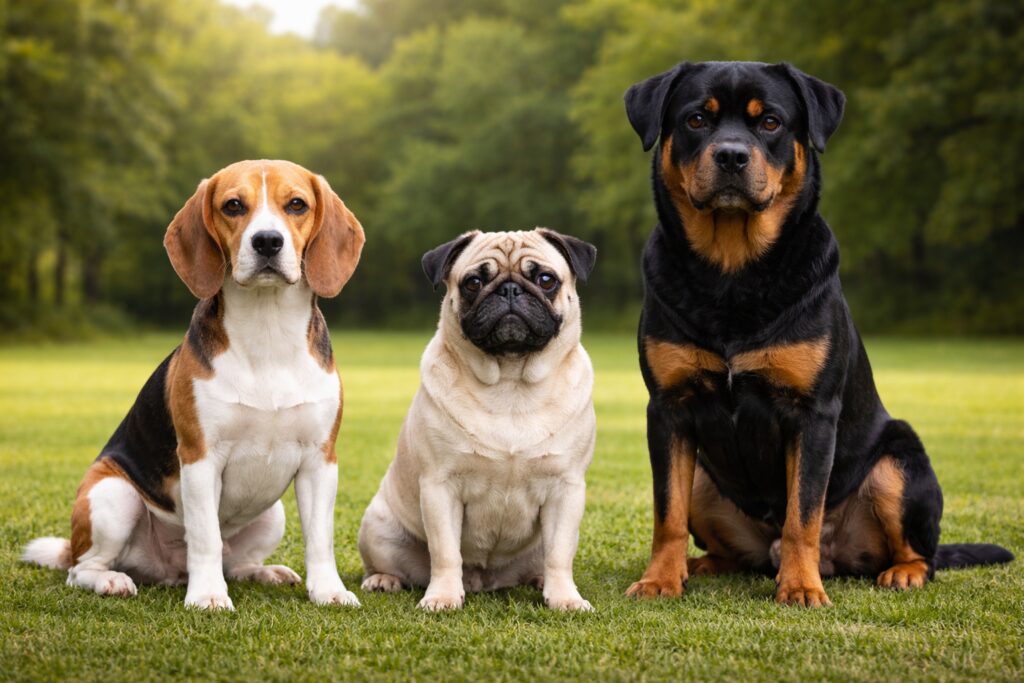
These breeds benefit from regular brushing and occasional de-shedding sessions.
Recommended Frequency:
Every 4–8 weeks depending on shedding level
Light weekly brushing at home can help maintain the coat between sessions
These coats tend to shed more consistently throughout the year rather than in large seasonal bursts.
Long Coats With Undercoat
Certain longer-coated breeds also have heavy undercoats that require maintenance.
Examples include:
- Bernese Mountain Dog
- Australian Shepherd
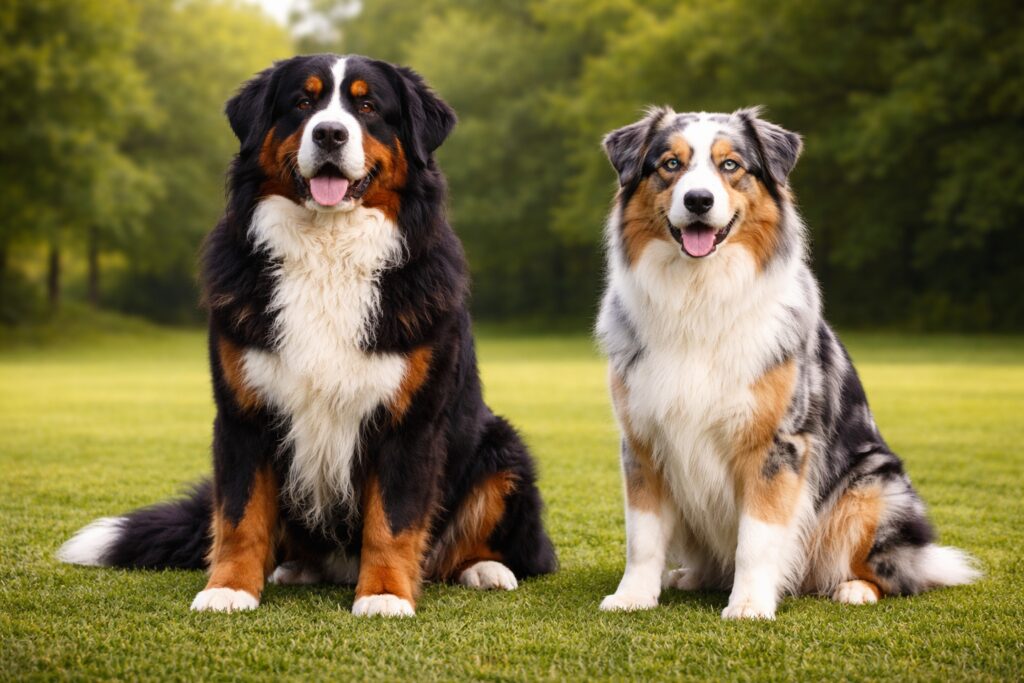
These coats can hold a surprising amount of loose hair if not properly de-shed.
Recommended Frequency:
Every 4–6 weeks for maintenance
Every 2–4 weeks during seasonal shedding
These coats can trap loose undercoat within the longer outer coat, making regular de-shedding especially important to prevent buildup and matting.
How Seasonal Changes Affect De-Shedding
Seasonal changes play a major role in how often your dog needs de-shedding.
Spring: Dogs shed their heavy winter undercoat
Fall: Dogs shed lighter summer coats to prepare for winter
Summer & Winter: Shedding is typically lighter but still ongoing
During peak shedding seasons, increasing the frequency of grooming appointments can make a significant difference in managing loose hair.
Signs Your Dog Needs De-Shedding
You may notice several signs that indicate your dog is ready for a de-shedding treatment.
Common signs include:
- Large amounts of loose hair during brushing
- Hair collecting quickly on furniture or clothing
- Coat feeling thick or heavy
- Undercoat visibly lifting from the coat
Many dogs also experience seasonal coat changes, often during spring and fall.
Why De-Shedding Works Best With a Bath
A proper de-shed is most effective when it is done alongside a bath.
Bathing helps loosen the undercoat and prepares the coat for proper brushing and tool use.
A typical professional de-shedding process includes:
- Pre-bath brush out
- Bath using coat-appropriate shampoo
- High velocity drying to release loose undercoat
- Thorough de-shedding with specialized grooming tools
This process removes significantly more loose coat than brushing alone.
Tools Used for Proper De-Shedding
Using the correct tools is essential for safely removing loose undercoat without damaging the top coat.
Undercoat Rakes
Undercoat rakes are designed to reach deep into dense coats and gently pull out loose undercoat hair.
Best used for:
- Thick double coats
- Seasonal shedding periods
De-Shedding Brushes
These brushes remove large amounts of loose hair while protecting the outer coat.
Best used for:
- Medium to heavy shedding dogs
- Maintenance between grooming visits
Slicker Brushes
Slicker brushes help remove fine loose hairs and smooth the coat.
Best used for:
- Finishing the coat after de-shedding
- Long or medium-length coats
High Velocity Dryers
Dog groomers often use high-velocity dryers that help blow loose undercoat out of the coat after bathing.
This is one of the most effective ways to remove large amounts of shed hair.
When Professional De-Shedding Is the Best Choice
Some dogs have coats that are difficult to fully manage at home.
Professional grooming may be helpful when:
- Your dog has a very dense double coat
- Seasonal shedding becomes overwhelming
- You do not have access to professional grooming tools
- Your dog prefers shorter grooming sessions
Professional De-Shedding
If managing shedding at home becomes challenging, professional grooming can help keep your dog’s coat in great shape.
At Dog Crafters, we offer professional de-shedding services designed to safely remove excess undercoat while keeping your dog comfortable throughout the process.
Our de-shedding service includes:
- A thorough bath to loosen the coat
- High velocity drying to release loose undercoat
- Professional de-shedding tools matched to your dog’s coat type
- A complete brush-out to leave the coat smooth and refreshed
For pet owners in St Petersburg, FL, our professional grooming can make seasonal shedding much easier to manage.
Final Thoughts
De-shedding is an important part of maintaining healthy coats for dogs with undercoats. With the right tools and technique, light de-shedding can be managed at home. However, professional grooming can make a significant difference when dealing with heavier coats or seasonal shedding.
If your dog is ready for a thorough de-shedding treatment, the team at Dog Crafters is always happy to help keep your dog looking and feeling their best.
Contact Dog Crafters Today with questions or visit our website to book an appointment: 📍 3330 Dr M.L.K. Jr St N, St. Petersburg FL 33704 📞 (727) 440-7830 🌐dogcrafters.com